Destinations
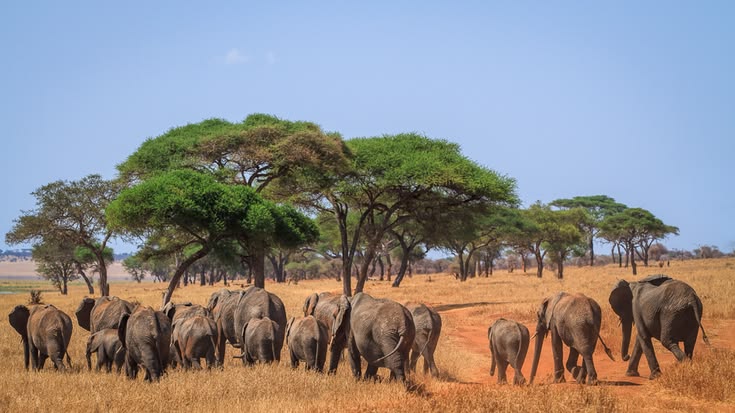
Named after the Tarangire River that cuts through it, this park is one of the most underrated in Tanzania. In the dry season, the river becomes the only reliable water source for miles, drawing enormous herds of elephant ? often 200 or more in a single family group ? along with zebra, wildebeest and eland from the surrounding Maasai Steppe. What sets Tarangire apart visually is the baobab woodland: thousand-year-old trees with trunks wide enough to park a vehicle beside, scattered across golden grass and termite mounds. It is quieter than the Serengeti or Ngorongoro, with far fewer vehicles per sighting, which makes it a favourite add-on for travellers who want big game without the crowds.
Explore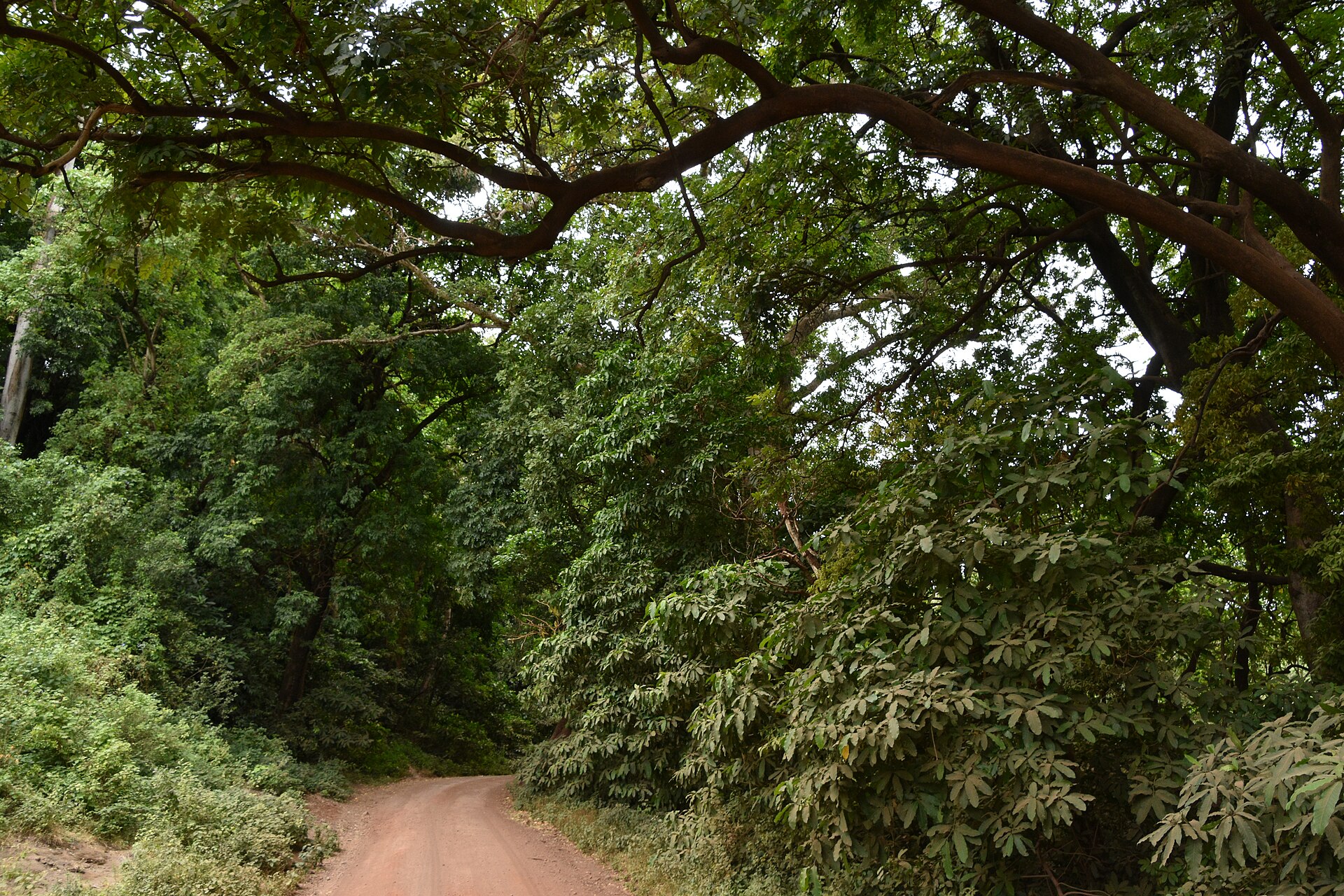
Destinations
Ernest Hemingway once called Lake Manyara "the loveliest I had seen in Africa," and the description still holds. The park runs in a narrow strip along the base of the Rift Valley escarpment, so a single game drive moves through dense groundwater forest full of blue monkeys and troops of baboon, out into open grassland where buffalo and giraffe graze, and finally along the lakeshore itself, where flocks of flamingo tint the shallows pink. Manyara is best known for its tree-climbing lions, who haul themselves up into the acacia and sausage trees to escape the heat and the tsetse flies ? a behaviour seen in only a handful of places on earth. The lake itself, a shallow alkaline basin that swells and shrinks with the seasons, draws huge numbers of waterbirds and is a highlight for photographers even on a short visit.
Explore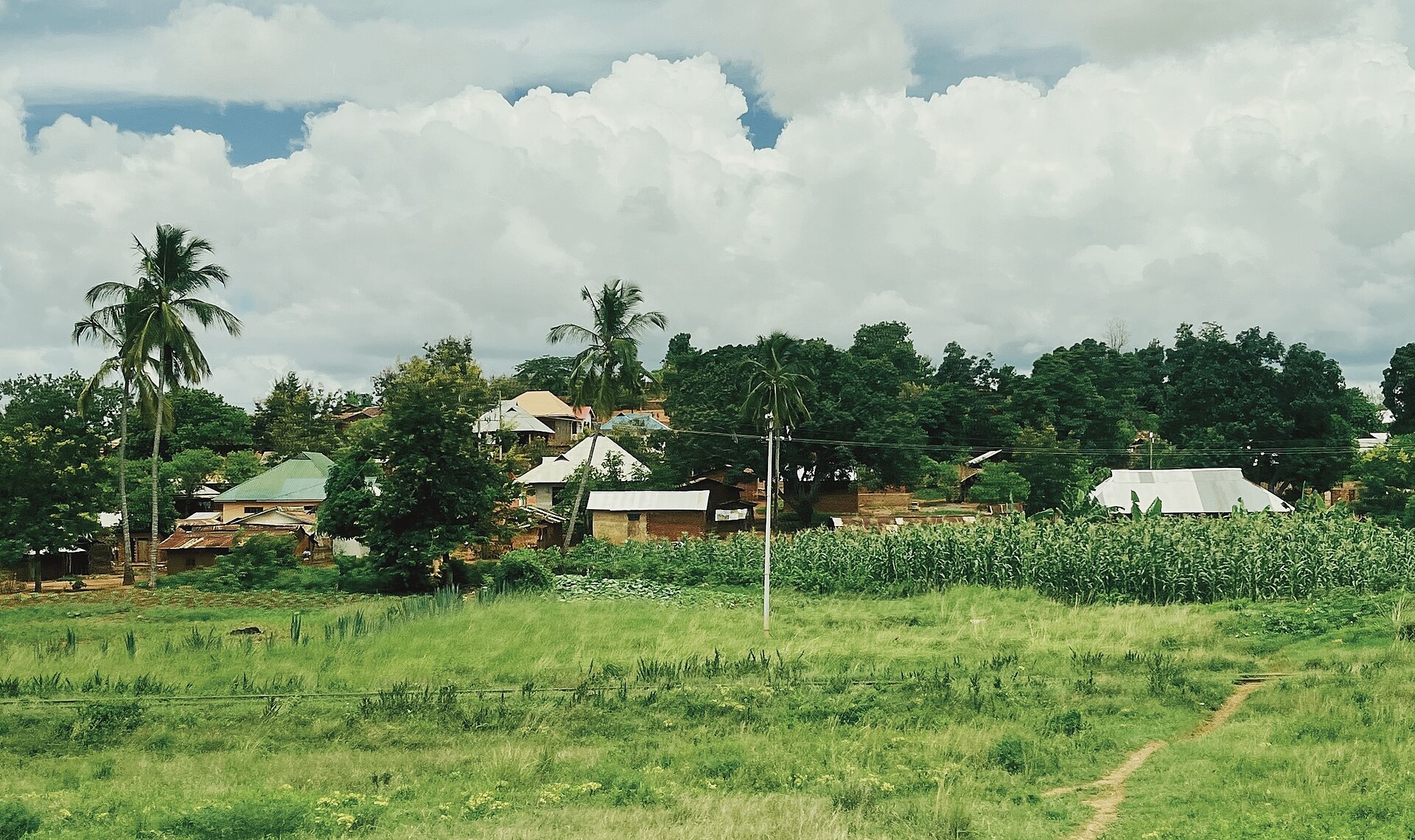
Destinations
Most travellers pass through Makuyuni without stopping, but it is worth a slower look. It sits at the point where the tarmac from Arusha forks ? one road continuing to Lake Manyara, Ngorongoro and the Serengeti, the other running toward Lake Eyasi and the Hadzabe territory to the south. Roadside stalls sell carvings, Maasai beadwork and fresh produce, and the small market is a genuine slice of rural Tanzanian commerce rather than something built for tourists. For travellers with time, a stop at Makuyuni's market or roadside curio stands is a good, low-pressure way to see everyday Tanzanian life and pick up souvenirs directly from the people who make them, before the tarmac gives way to the dust roads of the parks ahead.
Explore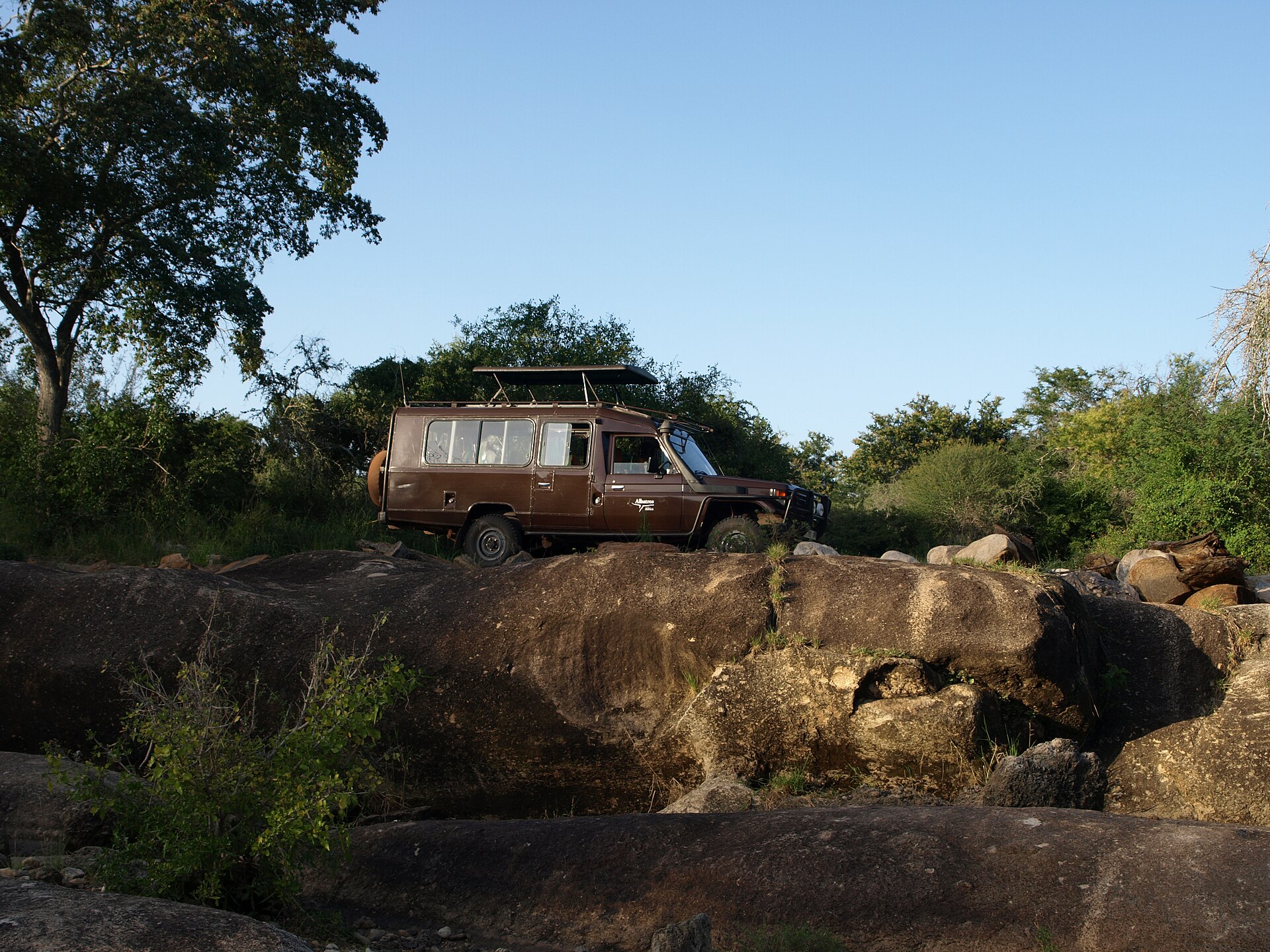
Destinations
Mkomazi shares its ecosystem with Kenya's Tsavo National Parks across the border, and the landscape shows it ? dry, thorny savanna, scattered baobabs and the jagged silhouettes of the Pare and Usambara mountains on the horizon. It was upgraded from a game reserve to a national park in 2008, largely to protect a black rhino sanctuary established here in the 1990s, and it remains one of only a few places in Tanzania where the species survives in the wild. Because it sees a fraction of the visitors that the Serengeti or Ngorongoro do, Mkomazi rewards travellers who want genuine wilderness and don't mind driving further for it. It's also one of the best places in the country to see gerenuk and fringe-eared oryx, arid-adapted species rare elsewhere on the northern circuit.
Explore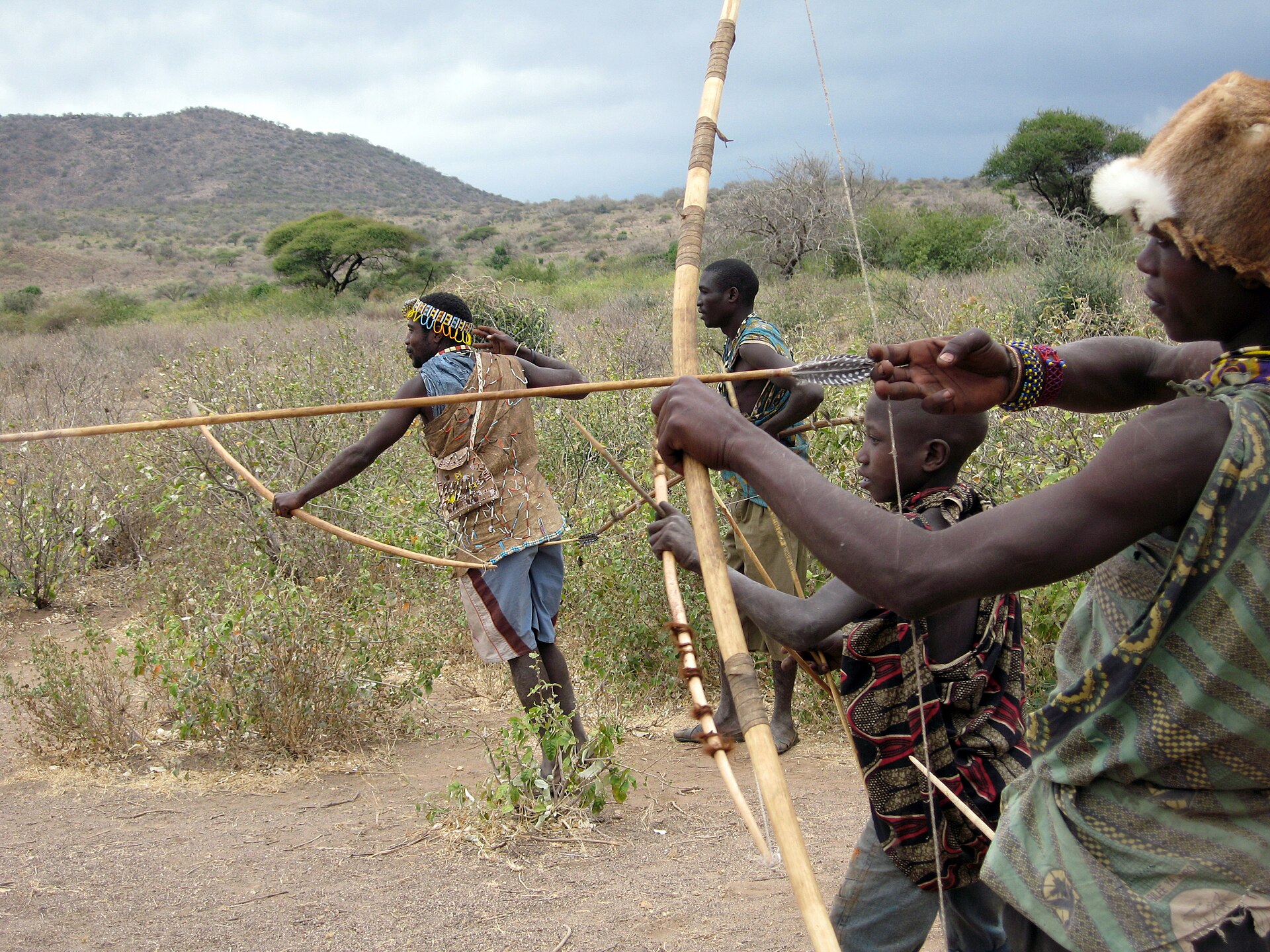
Destinations
The Hadzabe number only a few hundred people and speak a click language unrelated to any other on earth. Genetic studies suggest their lineage is among the oldest of any living human population. Unlike most communities that offer cultural tourism, the Hadzabe still genuinely live by hunting and gathering ? no agriculture, no livestock ? which makes a morning with them unlike any other cultural encounter in Tanzania. A visit typically starts before sunrise, joining a hunting party as they track game with handmade bows and poison-tipped arrows, or following the women as they dig for tubers and gather baobab fruit and wild honey. It is not a staged performance ? you go where the day's hunt takes you, and what you see depends entirely on what the bush provides that morning.
Explore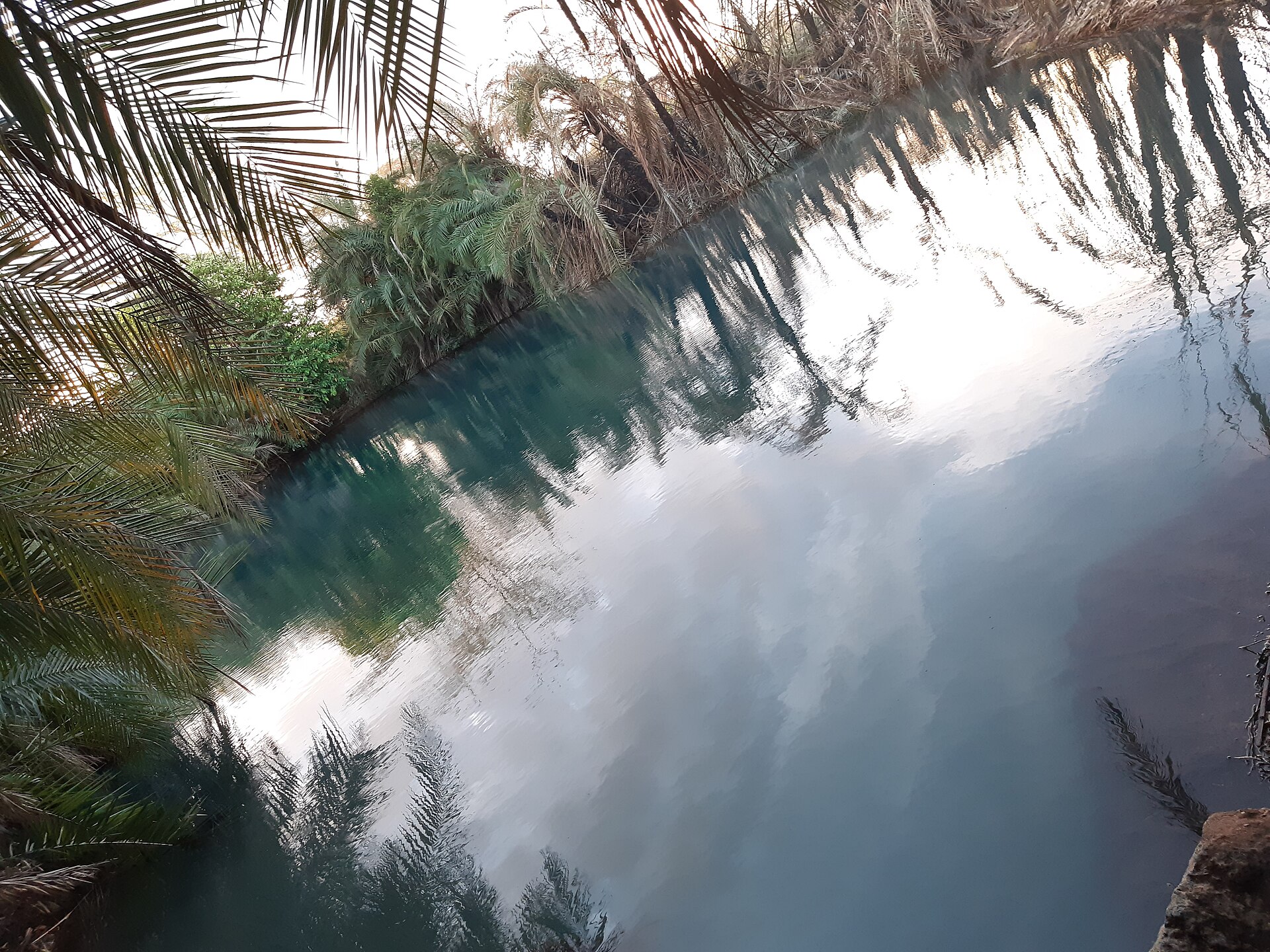
Destinations
Chemka sits off the main road between Arusha and Moshi, reached by a short walk or a bumpy drive through farmland and thorn scrub ? which is part of why it still feels like a discovery rather than a tourist stop. The spring water stays a constant, pleasantly warm temperature year-round, and its mineral content gives it a striking turquoise-blue clarity that shows the bottom even in the deeper sections. Giant fig trees line the banks, their roots trailing into the water and forming natural rope swings that local kids and visitors alike use to drop in. It's a popular half-day trip for travellers based in Moshi or Arusha who want a swim and a slower pace between game drives or before a Kilimanjaro climb, and a shaded picnic by the water is one of the simplest, best afternoons available in the region.
Explore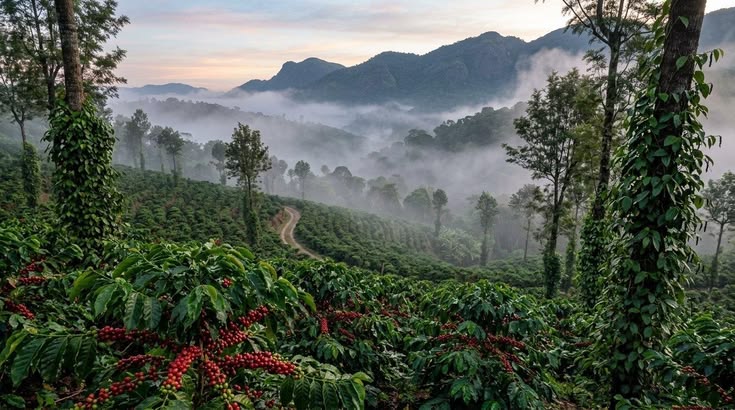
Destinations
Coffee has been grown on these slopes since German missionaries introduced arabica in the late 1800s, and the Chagga people who farm the mid-altitude belt between Moshi and Arusha have built their culture and economy around it ever since. A typical tour walks you through a working smallholding: picking ripe red cherries, pulping and fermenting them by hand, drying the beans on raised racks, and finally roasting a small batch over an open fire. It ends the way it should ? grinding the roasted beans in a wooden mortar and brewing a cup on the spot, often alongside a simple Chagga meal. It's a relaxed, hands-on half-day that works well combined with a Materuni waterfall walk or Chemka Hot Springs, and it gives a much closer look at rural highland life than a game drive ever can.
Explore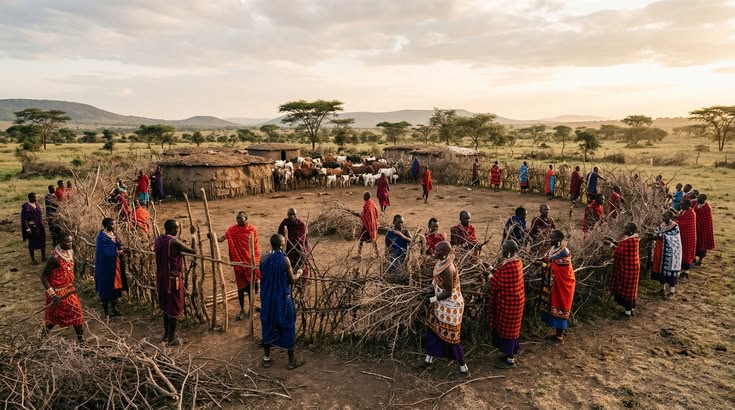
Destinations
A cultural visit in Tanzania can mean many things: an afternoon in a Maasai boma watching the adumu jumping dance and learning how a homestead is built entirely from branches, mud and cattle dung; a walk through a Chagga village on Kilimanjaro's slopes to see banana beer brewing and underground cave tunnels once used to hide cattle from raiders; or a visit to Datoga blacksmiths near Lake Eyasi, who still forge arrowheads and jewellery from scrap metal over a charcoal fire. We arrange these visits directly with the communities involved, so the fee paid supports the families hosting you rather than a middleman operation. They work well as a half-day add-on to any safari itinerary, and are one of the best ways to understand the people who share the land with the wildlife you've come to see.
Explore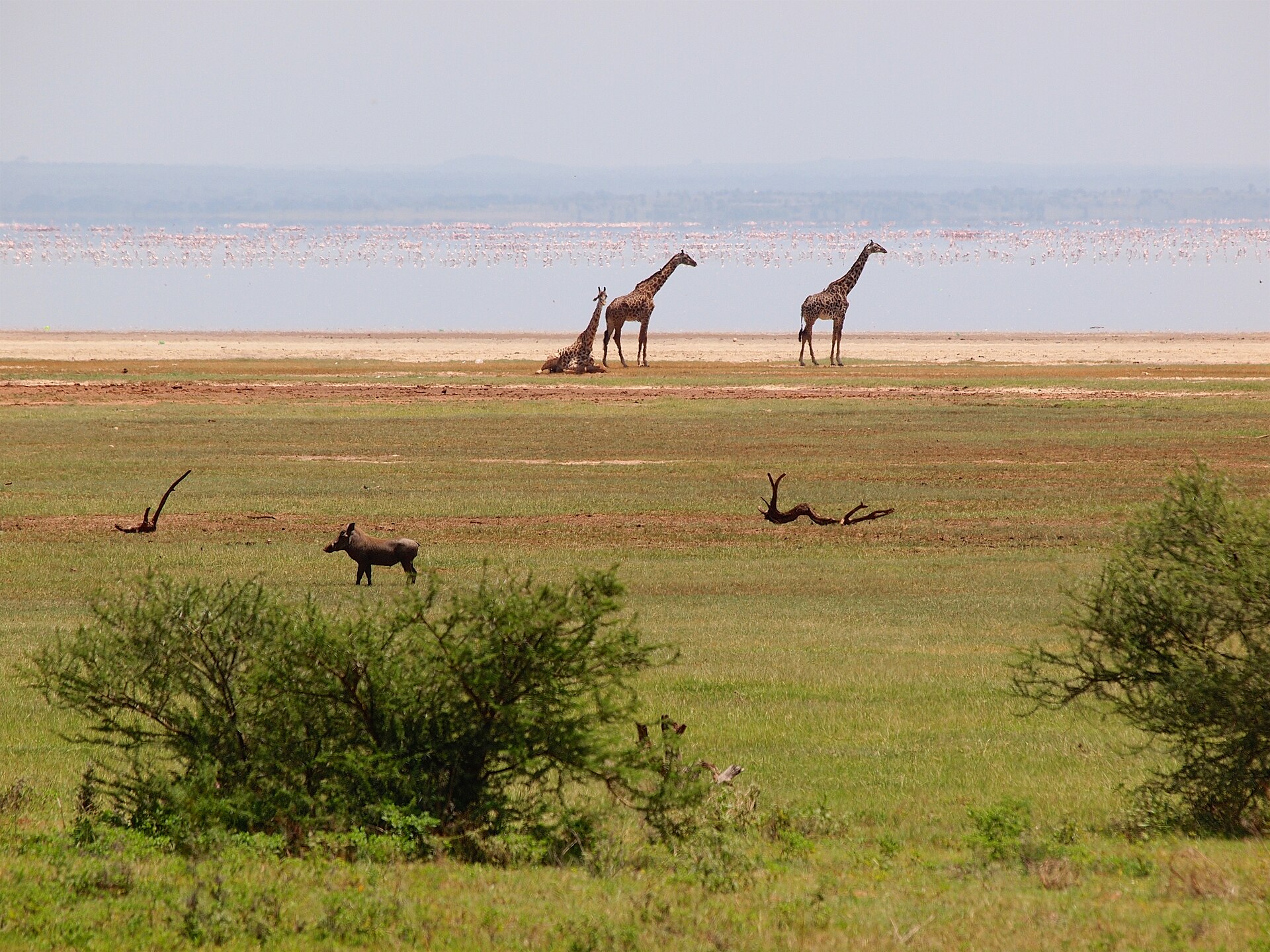
Destinations
Most visitors see Lake Manyara from a vehicle on the forest and grassland circuit, but the lake itself ? a shallow, seasonal soda lake covering up to two-thirds of the park ? is best appreciated from the water. Cruises run from community-run launch points just outside the park boundary, using canoes or small motorised boats depending on conditions. From the water you get close, quiet views of hippo pods wallowing in the shallows, and the birdlife is exceptional: pelicans, storks, herons and, when water levels are right, dense flocks of flamingo working the pink-tinged shallows. The Rift Valley escarpment rises directly behind the lake, giving a dramatic backdrop that's hard to capture from inside the park on a standard game drive. Availability depends on the lake's water level, which shifts with the rains, so it's best booked as an add-on rather than the anchor of a trip.
Explore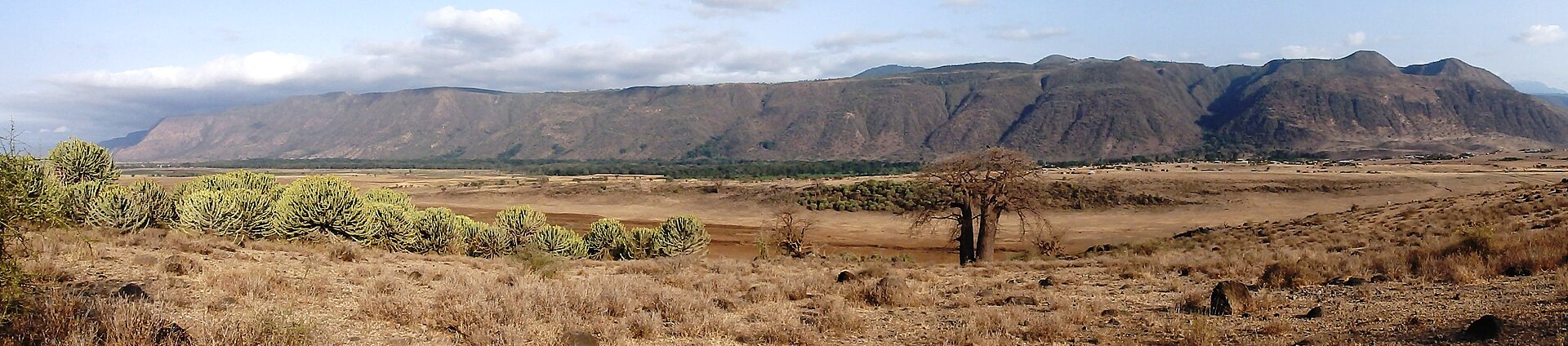
Destinations
Mto wa Mbu is one of the most culturally diverse towns in Tanzania ? more than 120 ethnic groups are said to live and trade here, drawn by its position at the base of the Rift wall between Lake Manyara and the road up to Karatu and Ngorongoro. Behind the town, a walking trail climbs through banana and papaya plantations irrigated by mountain streams, ending at a waterfall dropping off the escarpment into a shaded pool. The walk is usually combined with a village or farm tour ? many guides pair it with a stop at a local banana beer brewery or a rice paddy ? giving a grounded, everyday counterpoint to the game drives on either side of it. The Rift Valley wall itself, visible for miles along this stretch of road, is one of the most striking geological features on the entire northern circuit, marking the edge of the tectonic rift that runs the length of East Africa.
Explore