Lake Manyara National Park

Region

Arusha Region, Northern Tanzania

Area

330 km² (about two-thirds lake)

Best Time

Jun?Oct & Jan?Feb

Altitude

960 ? 1,443 m

Squeezed between the Rift Valley escarpment and a shallow soda lake, Manyara packs groundwater forest, open grassland and pink-fringed shallows into one of the most compact and scenic parks in Tanzania.

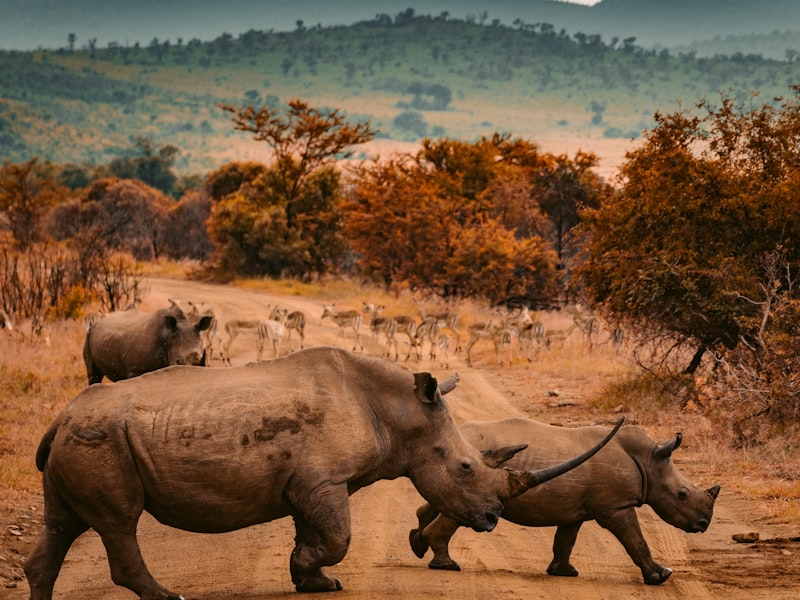
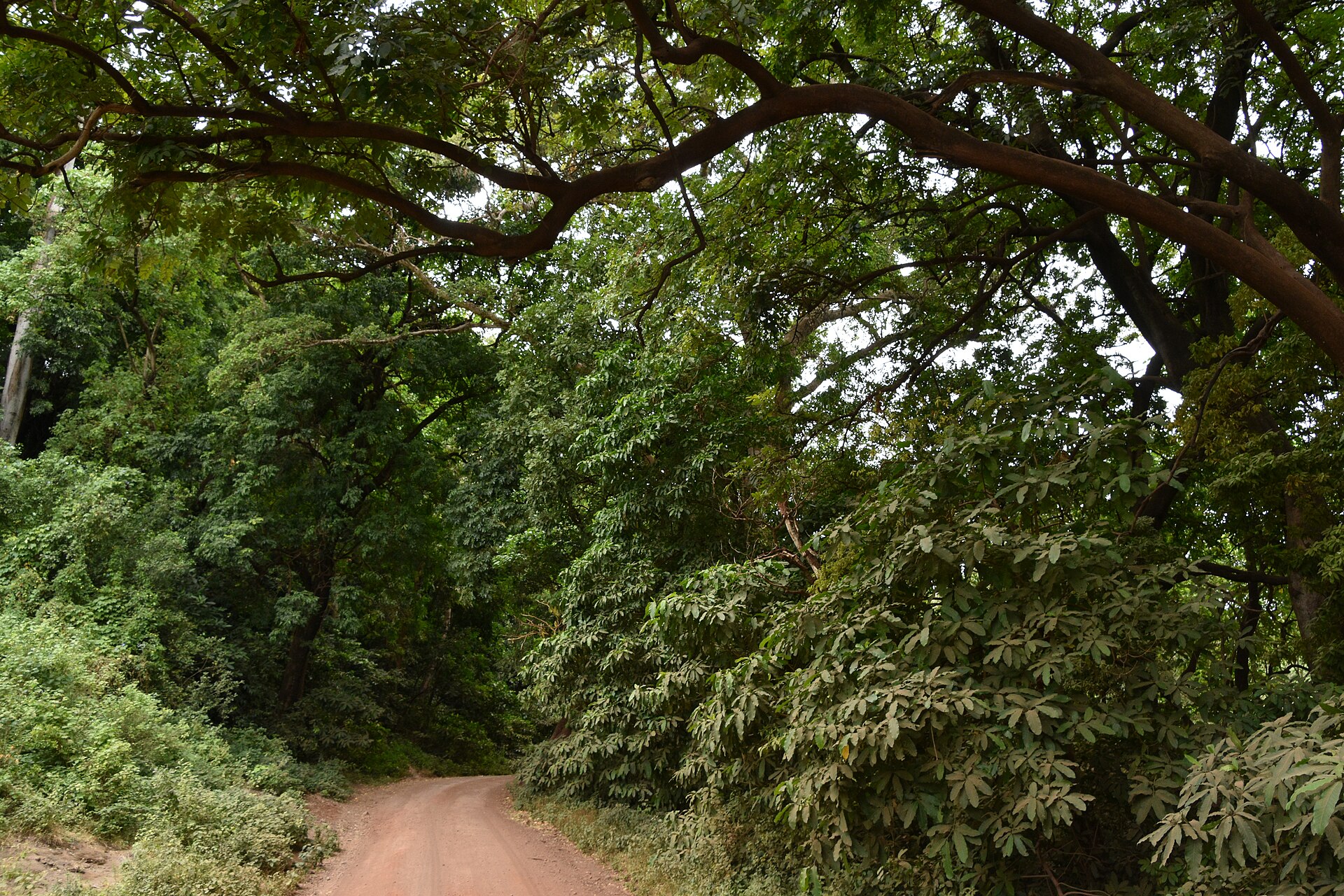
Ernest Hemingway once called Lake Manyara "the loveliest I had seen in Africa," and the description still holds. The park runs in a narrow strip along the base of the Rift Valley escarpment, so a single game drive moves through dense groundwater forest full of blue monkeys and troops of baboon, out into open grassland where buffalo and giraffe graze, and finally along the lakeshore itself, where flocks of flamingo tint the shallows pink.

Manyara is best known for its tree-climbing lions, who haul themselves up into the acacia and sausage trees to escape the heat and the tsetse flies ? a behaviour seen in only a handful of places on earth. The lake itself, a shallow alkaline basin that swells and shrinks with the seasons, draws huge numbers of waterbirds and is a highlight for photographers even on a short visit.

Safari Highlights

Tree-Climbing Lions

One of only a few populations in Africa known to regularly rest up in acacia and sausage trees.

The Soda Lake

A shallow alkaline lake that can host tens of thousands of flamingos when water levels are right.

Groundwater Forest

Fed by springs off the Rift wall, home to blue monkeys, olive baboon and hornbills.

Rift Valley Views

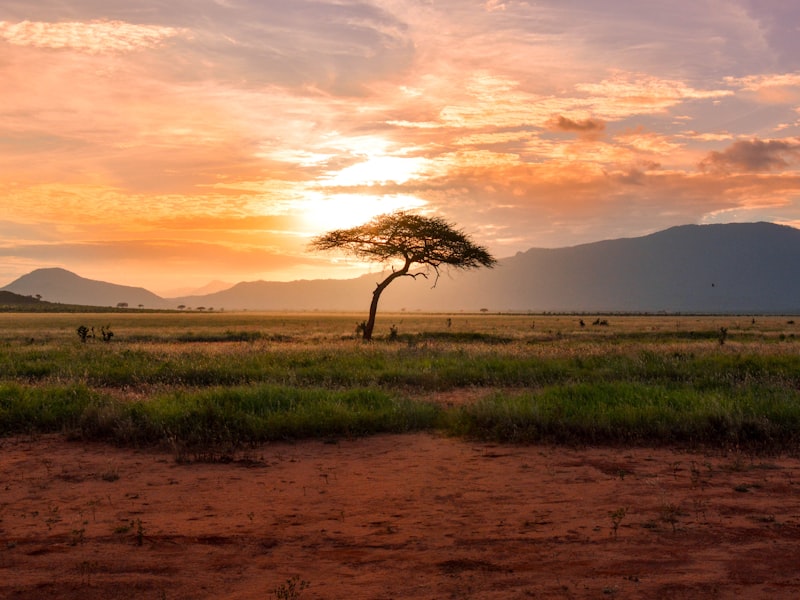
The escarpment rises sharply behind the park, giving dramatic backdrops to every drive.

Elephant & Buffalo

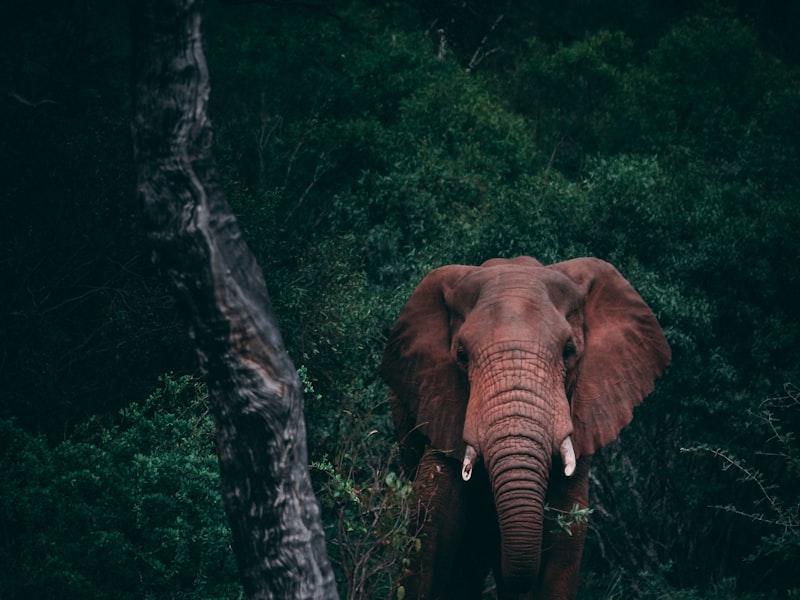
Large herds move between forest and lakeshore, often at close range along the main circuit.

Hot Springs Nearby

The Maji Moto hot springs sit at the park's southern end, an optional stop on longer drives.

Animals you may see

  • Lion
  • Elephant
  • Buffalo
  • Giraffe
  • Hippo
  • Blue Monkey
  • Olive Baboon
  • Flamingo
  • Pelican
  • Zebra
  • Impala
  • Warthog

When to visit

Jan
Feb
Mar
Apr
May
Jun
Jul
Aug
Sep
Oct
Nov
Dec
  • Peak
  • Good
  • Fair
  • Low

The dry months of June to October give the clearest game viewing, while January and February often bring the biggest flamingo flocks to the lake. April and May are quiet and green, with some forest trails muddy after rain.

Find Us

FAQs

Will I definitely see the tree-climbing lions?

They are not guaranteed on every visit ? this is genuine wildlife, not a show ? but Manyara remains one of the most reliable places in Africa to have a real chance at them, especially with an experienced guide who knows the current pride territories.

How long should I spend at Lake Manyara?

Most visitors do it as a half-day or full-day game drive, often on the way to or from Ngorongoro and the Serengeti. It rewards a full day if bird photography is a priority.

Is Manyara good for birdwatching?

Excellent ? over 400 species have been recorded, from flamingo and pelican on the lake to hornbills and turacos in the forest, making it one of the richest birding parks on the northern circuit.

Can I combine Manyara with a canoe or boat trip?

Yes, seasonal canoe safaris run on the lake's edge outside the park boundary when water levels allow, and are a popular, low-impact way to see hippos and waterbirds from the water.

Tours in this destination

Plan your trip

Tell us the dates and who is travelling — we will put an itinerary together for you.