Mto wa Mbu e la Cascata della Rift Valley

Region

Mto wa Mbu, Arusha Region

Area

Rift Valley escarpment

Best Time

Year-round, fullest after rains

Altitude

~1,000 ? 1,300 m

Mto wa Mbu — "fiume delle zanzare" in swahili — si trova ai piedi della parete della Grande Rift Valley, e una breve camminata sull'altopiano dietro la cittadina conduce a una fresca cascata alimentata dai torrenti che scendono dagli altipiani sovrastanti.

Mto wa Mbu è una delle cittadine più culturalmente diverse della Tanzania — si dice che più di 120 gruppi etnici vi vivano e vi commercino, attratti dalla sua posizione ai piedi della parete della Rift Valley, tra il Lago Manyara e la strada che sale verso Karatu e Ngorongoro. Dietro la cittadina, un sentiero escursionistico sale attraverso piantagioni di banane e papaya irrigate da torrenti di montagna, terminando in una cascata che precipita dall'altopiano in una piscina ombreggiata.

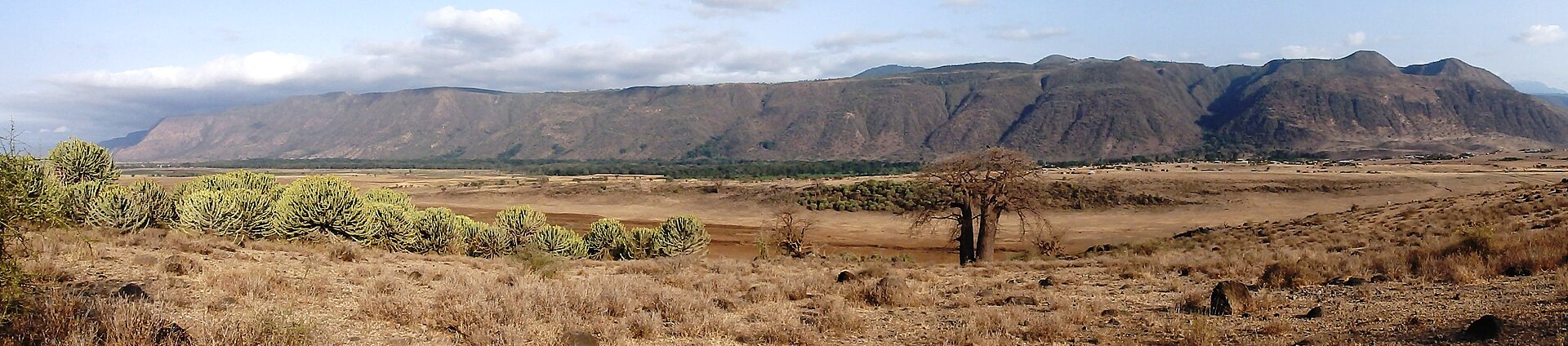
La passeggiata viene solitamente abbinata a un tour del villaggio o della fattoria — molte guide la accompagnano con una sosta in un birrificio locale di birra di banana o in una risaia — offrendo un contrappunto autentico e quotidiano ai game drive che la precedono e la seguono. La parete della Rift Valley stessa, visibile per chilometri lungo questo tratto di strada, è una delle caratteristiche geologiche più sorprendenti dell'intero circuito settentrionale, e segna il bordo della fossa tettonica che percorre tutta l'Africa Orientale.

Punti Salienti del Safari

The Escarpment Waterfall

A cool waterfall reached by a walking trail through banana and papaya plantations behind the town.

Great Rift Valley Wall

A dramatic view of the escarpment that marks the edge of the East African Rift.

120+ Ethnic Groups

One of the most culturally mixed towns in Tanzania, a genuine market and farming hub.

Irrigated Farmland

Banana, rice and papaya plantations fed by streams flowing straight off the Rift highlands.

Village & Market Life

A working town rather than a tourist stop, with local markets and roadside food stalls.

Dove Trovarci

FAQs

How long is the walk to the waterfall?

A round trip typically takes two to three hours at an easy pace, mostly flat through farmland with a short climb near the falls themselves.

Is Mto wa Mbu worth visiting on its own?

It works best combined with Lake Manyara, since it sits right at the park's entrance gate ? most travellers stop here either before or after a Manyara game drive.

Can I swim at the waterfall?

There is usually a pool at the base suitable for a quick, cool dip, though it is smaller than Materuni or Chemka and best treated as a scenic stop rather than a swimming destination.

What does "Mto wa Mbu" mean?

It translates from Swahili as "river of mosquitoes," a nod to the many small irrigation streams running through the town ? insect repellent is worth packing regardless of season.

Safari in questa destinazione

Pianifica il tuo viaggio

Comunicaci le date e chi viaggia — prepareremo un itinerario su misura per te.