Mto wa Mbu y la Cascada del Valle del Rift

Region

Mto wa Mbu, Arusha Region

Area

Rift Valley escarpment

Best Time

Year-round, fullest after rains

Altitude

~1,000 ? 1,300 m

Mto wa Mbu —«río de mosquitos» en suajili— se encuentra al pie de la pared del Gran Valle del Rift, y una corta caminata por el escarpe detrás del pueblo lleva a una fresca cascada alimentada por arroyos que drenan desde las tierras altas.

Mto wa Mbu es uno de los pueblos con mayor diversidad cultural de Tanzania: se dice que más de 120 grupos étnicos viven y comercian aquí, atraídos por su posición al pie de la pared del Rift, entre el Lago Manyara y el camino que sube hacia Karatu y Ngorongoro. Detrás del pueblo, un sendero asciende a través de plantaciones de plátano y papaya irrigadas por arroyos de montaña, y termina en una cascada que cae desde el escarpe hacia una poza sombreada.

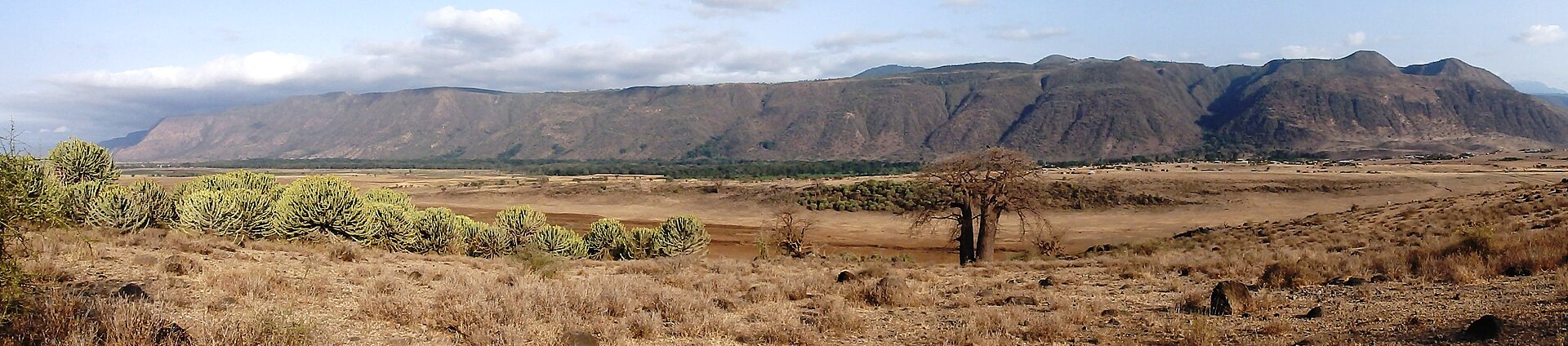
La caminata suele combinarse con un recorrido por el pueblo o por una granja: muchos guías la combinan con una parada en una fábrica local de cerveza de plátano o en un arrozal, ofreciendo un contrapunto sencillo y cotidiano a los game drives que hay a ambos lados. La propia pared del Valle del Rift, visible durante kilómetros a lo largo de este tramo de carretera, es uno de los rasgos geológicos más impresionantes de todo el circuito norte, y marca el borde de la fractura tectónica que recorre toda África Oriental.

Lo Más Destacado del Safari

The Escarpment Waterfall

A cool waterfall reached by a walking trail through banana and papaya plantations behind the town.

Great Rift Valley Wall

A dramatic view of the escarpment that marks the edge of the East African Rift.

120+ Ethnic Groups

One of the most culturally mixed towns in Tanzania, a genuine market and farming hub.

Irrigated Farmland

Banana, rice and papaya plantations fed by streams flowing straight off the Rift highlands.

Village & Market Life

A working town rather than a tourist stop, with local markets and roadside food stalls.

Encuéntrenos

FAQs

How long is the walk to the waterfall?

A round trip typically takes two to three hours at an easy pace, mostly flat through farmland with a short climb near the falls themselves.

Is Mto wa Mbu worth visiting on its own?

It works best combined with Lake Manyara, since it sits right at the park's entrance gate ? most travellers stop here either before or after a Manyara game drive.

Can I swim at the waterfall?

There is usually a pool at the base suitable for a quick, cool dip, though it is smaller than Materuni or Chemka and best treated as a scenic stop rather than a swimming destination.

What does "Mto wa Mbu" mean?

It translates from Swahili as "river of mosquitoes," a nod to the many small irrigation streams running through the town ? insect repellent is worth packing regardless of season.

Safaris en este destino

Planifique su viaje

Cuéntenos las fechas y quién viaja — le prepararemos un itinerario a su medida.