Parque Nacional de Tarangire

Region

Manyara Region, Northern Tanzania

Area

2,850 km²

Best Time

Jun?Oct (dry)

Altitude

1,000 ? 1,500 m

Tarangire es la capital de los elefantes del circuito norte: antiguos baobabs erguidos sobre un río que mantiene al parque verde y lleno de fauna mucho después de que las lluvias hayan pasado.

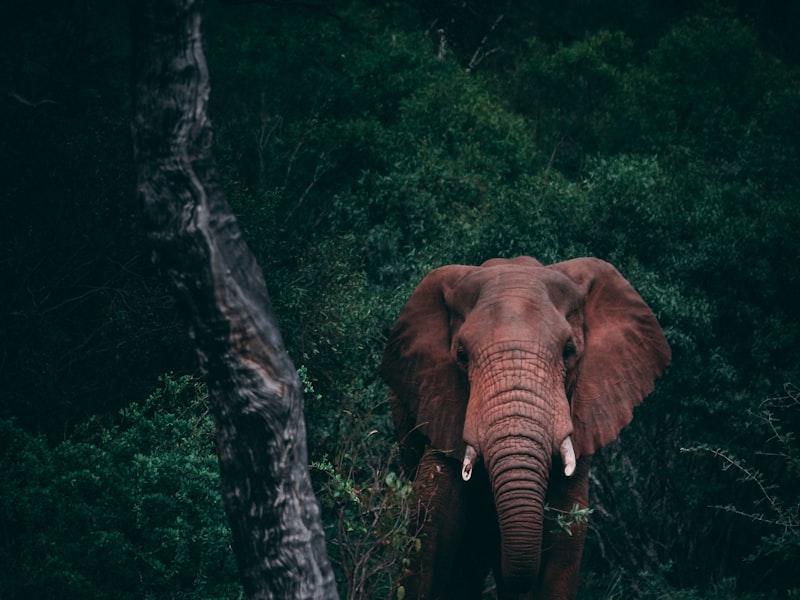
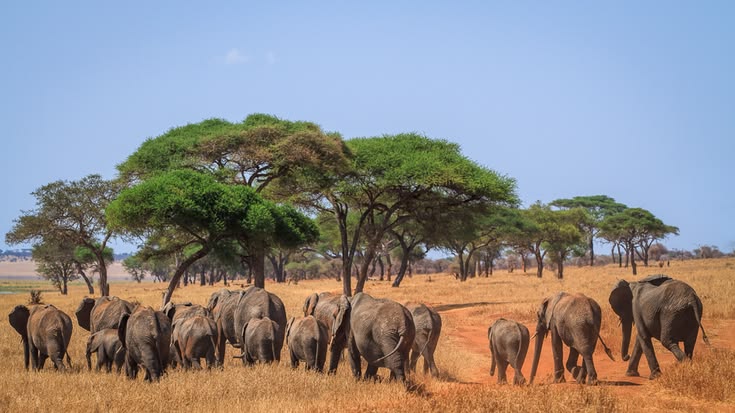
Llamado así por el río Tarangire que lo atraviesa, este parque es uno de los más subestimados de Tanzania. En la temporada seca, el río se convierte en la única fuente de agua confiable en kilómetros a la redonda, atrayendo enormes manadas de elefantes —a menudo 200 o más en un solo grupo familiar— junto con cebras, ñus y elands de la sabana masái circundante.

Lo que distingue visualmente a Tarangire es su bosque de baobabs: árboles milenarios con troncos lo bastante anchos para aparcar un vehículo junto a ellos, dispersos entre pastizales dorados y termiteros. Es más tranquilo que el Serengeti o Ngorongoro, con muchos menos vehículos por avistamiento, lo que lo convierte en un complemento favorito para viajeros que desean grandes animales sin las multitudes.

Lo Más Destacado del Safari

Elephant Herds

Some of the largest elephant concentrations in Africa gather along the Tarangire River in the dry season.

Ancient Baobabs

Iconic baobab trees, some well over 1,000 years old, define the park's skyline.

Tarangire River

The dry-season lifeline of the ecosystem ? the best game viewing hugs its banks.

Fewer Vehicles

A quieter alternative to the Serengeti, with excellent sightings and none of the crowding.

Tree-Climbing Lions

One of the few parks in Tanzania, alongside Manyara, where lions are regularly seen up in trees.

Birdlife

Over 550 recorded species, including the yellow-collared lovebird found almost nowhere else.

Animales que podría ver

  • Elephant
  • Lion
  • Leopard
  • Zebra
  • Wildebeest
  • Eland
  • Fringe-eared Oryx
  • Gerenuk
  • Buffalo
  • Giraffe
  • Warthog
  • Yellow-collared Lovebird

Cuándo visitar

Jan
Feb
Mar
Apr
May
Jun
Jul
Aug
Sep
Oct
Nov
Dec
  • Alta
  • Buena
  • Regular
  • Baja

June to October is peak season ? the river draws game from the entire ecosystem and sightings are at their most concentrated. April and May, the long rains, see many animals disperse and some park roads become difficult.

Encuéntrenos

FAQs

Is Tarangire worth visiting if I only have a few days?

Yes ? it pairs naturally with Lake Manyara or Ngorongoro on the way to or from the Serengeti, and needs only one to two nights to deliver excellent elephant and baobab scenery.

When are the elephant herds biggest?

July to October, the dry season, when the river is the only water for miles and herds concentrate along its length. In the wet season many animals disperse into the surrounding plains.

Is Tarangire good for a night walk or walking safari?

Yes, guided walking safaris are available in parts of the park and in the adjacent Manyara Ranch, something not permitted in the Serengeti or Ngorongoro Crater.

How far is Tarangire from Arusha?

About two hours by road, making it an easy first or last stop on a northern circuit safari.

Safaris en este destino

Planifique su viaje

Cuéntenos las fechas y quién viaja — le prepararemos un itinerario a su medida.