Tarangire-Nationalpark

Region

Manyara Region, Northern Tanzania

Area

2,850 km²

Best Time

Jun?Oct (dry)

Altitude

1,000 ? 1,500 m

Tarangire ist die Elefantenhauptstadt des nördlichen Circuits — uralte Baobabs stehen über einem Fluss, der den Park auch lange nach den Regenfällen grün und wildreich hält.

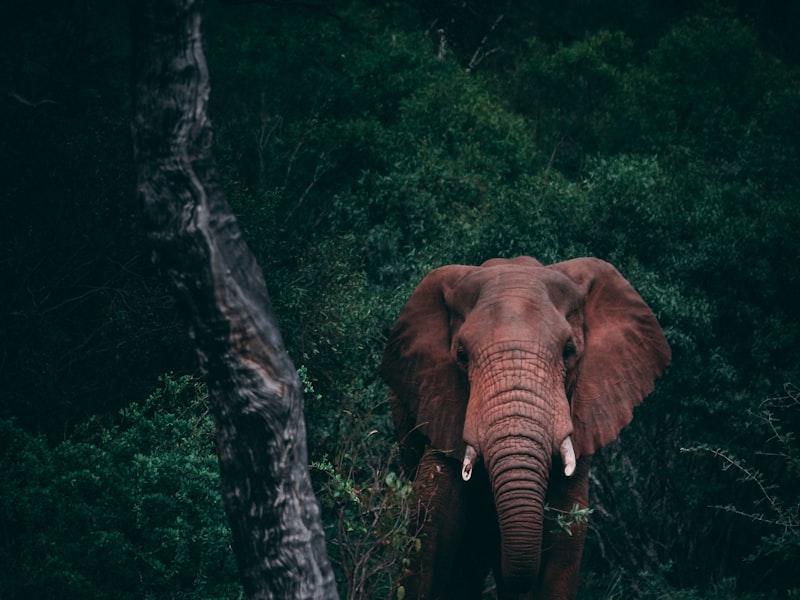
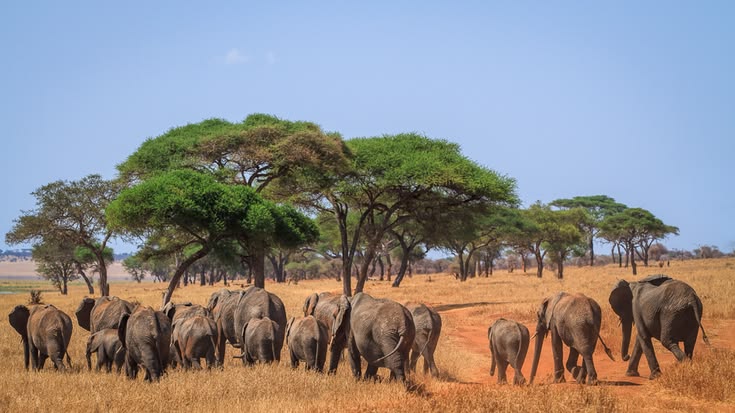
Benannt nach dem Tarangire-Fluss, der ihn durchzieht, ist dieser Park einer der am meisten unterschätzten Tansanias. In der Trockenzeit wird der Fluss zur einzigen verlässlichen Wasserquelle weit und breit und zieht gewaltige Elefantenherden an — oft 200 oder mehr Tiere in einer einzigen Familiengruppe — zusammen mit Zebras, Gnus und Elenantilopen aus der umliegenden Massai-Steppe.

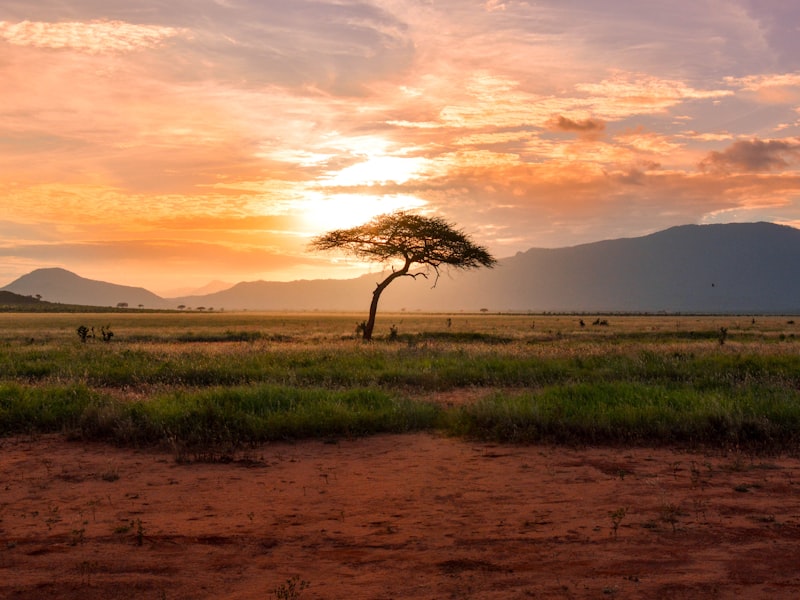
Was Tarangire optisch so besonders macht, ist das Baobab-Waldland: tausendjährige Bäume mit Stämmen, breit genug, um ein Fahrzeug daneben zu parken, verstreut über goldenes Gras und Termitenhügel. Er ist ruhiger als die Serengeti oder Ngorongoro, mit deutlich weniger Fahrzeugen pro Sichtung, was ihn zu einem beliebten Zusatzziel für Reisende macht, die große Wildtiere ohne die Menschenmassen erleben möchten.

Safari-Highlights

Elephant Herds

Some of the largest elephant concentrations in Africa gather along the Tarangire River in the dry season.

Ancient Baobabs

Iconic baobab trees, some well over 1,000 years old, define the park's skyline.

Tarangire River

The dry-season lifeline of the ecosystem ? the best game viewing hugs its banks.

Fewer Vehicles

A quieter alternative to the Serengeti, with excellent sightings and none of the crowding.

Tree-Climbing Lions

One of the few parks in Tanzania, alongside Manyara, where lions are regularly seen up in trees.

Birdlife

Over 550 recorded species, including the yellow-collared lovebird found almost nowhere else.

Tiere, die Sie sehen können

  • Elephant
  • Lion
  • Leopard
  • Zebra
  • Wildebeest
  • Eland
  • Fringe-eared Oryx
  • Gerenuk
  • Buffalo
  • Giraffe
  • Warthog
  • Yellow-collared Lovebird

Beste Reisezeit

Jan
Feb
Mar
Apr
May
Jun
Jul
Aug
Sep
Oct
Nov
Dec
  • Hochsaison
  • Gut
  • Mäßig
  • Niedrig

June to October is peak season ? the river draws game from the entire ecosystem and sightings are at their most concentrated. April and May, the long rains, see many animals disperse and some park roads become difficult.

So Finden Sie Uns

FAQs

Is Tarangire worth visiting if I only have a few days?

Yes ? it pairs naturally with Lake Manyara or Ngorongoro on the way to or from the Serengeti, and needs only one to two nights to deliver excellent elephant and baobab scenery.

When are the elephant herds biggest?

July to October, the dry season, when the river is the only water for miles and herds concentrate along its length. In the wet season many animals disperse into the surrounding plains.

Is Tarangire good for a night walk or walking safari?

Yes, guided walking safaris are available in parts of the park and in the adjacent Manyara Ranch, something not permitted in the Serengeti or Ngorongoro Crater.

How far is Tarangire from Arusha?

About two hours by road, making it an easy first or last stop on a northern circuit safari.

Safaris in diesem Reiseziel

Planen Sie Ihre Reise

Nennen Sie uns die Termine und wer mitreist — wir stellen Ihnen eine passende Reiseroute zusammen.