Parque Nacional de Mkomazi

Region

Kilimanjaro Region, Northern Tanzania

Area

3,245 km²

Best Time

Jun?Oct (dry)

Altitude

230 ? 1,600 m

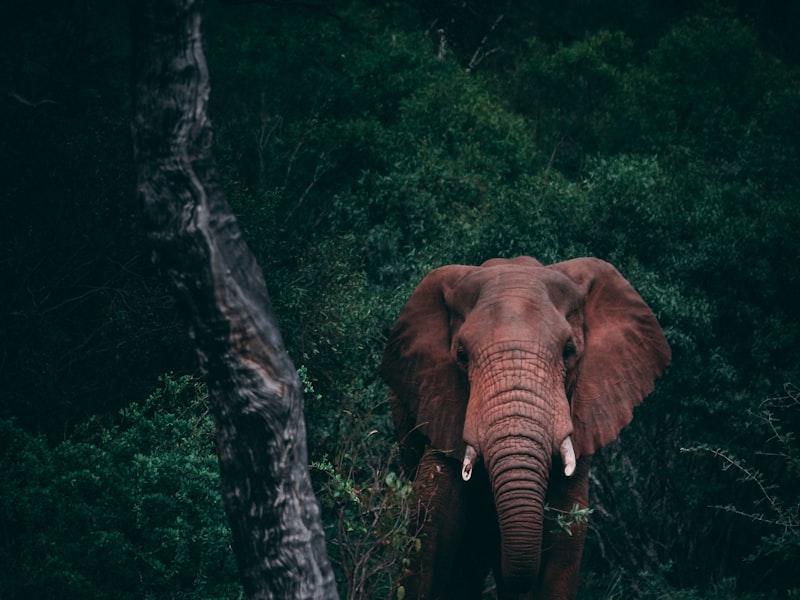
Una extensión del ecosistema de Tsavo en Kenia, Mkomazi es el parque del norte de Tanzania más salvaje y menos visitado: sabana seca bajo las montañas Pare y Usambara, y el santuario de rinoceronte negro más importante del país.

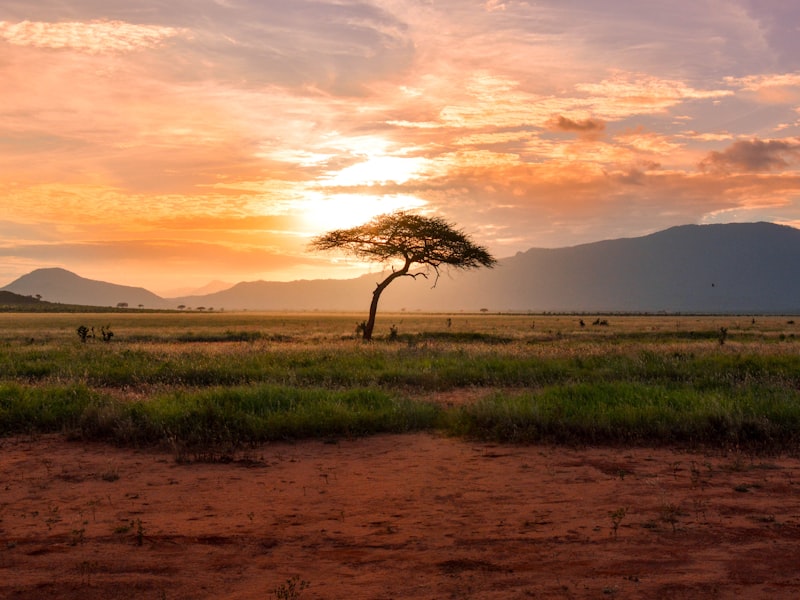
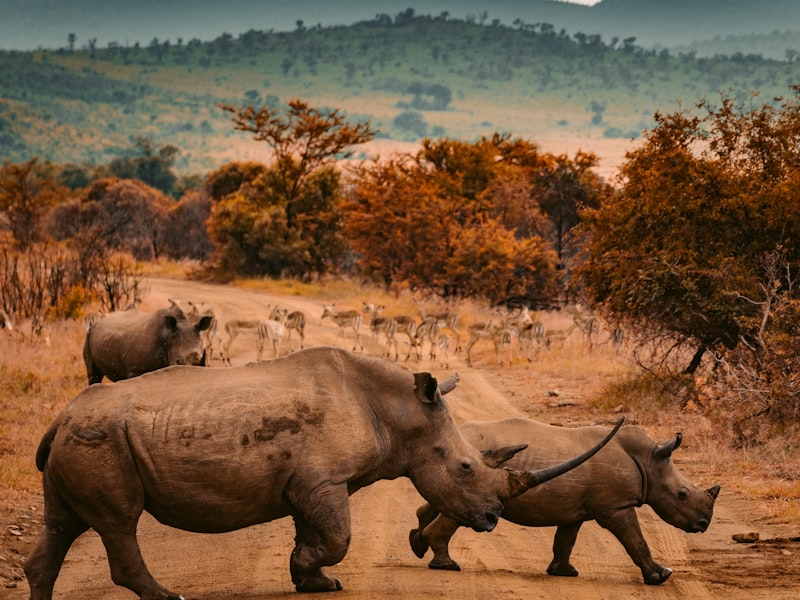
Mkomazi comparte su ecosistema con los Parques Nacionales de Tsavo, en Kenia, al otro lado de la frontera, y el paisaje lo demuestra: sabana seca y espinosa, baobabs dispersos y las siluetas escarpadas de las montañas Pare y Usambara en el horizonte. Fue elevado de reserva de caza a parque nacional en 2008, en gran parte para proteger un santuario de rinoceronte negro establecido allí en la década de 1990, y sigue siendo uno de los pocos lugares de Tanzania donde la especie sobrevive en estado salvaje.

Como recibe solo una fracción de los visitantes que llegan al Serengeti o a Ngorongoro, Mkomazi recompensa a los viajeros que buscan naturaleza auténtica y no les importa conducir más para encontrarla. Es también uno de los mejores lugares del país para ver gerenuk y órix de orejas flecosas, especies adaptadas a zonas áridas que son escasas en el resto del circuito norte.

Lo Más Destacado del Safari

Black Rhino Sanctuary

A dedicated, fenced sanctuary protects one of Tanzania's few remaining black rhino populations.

Pare & Usambara Backdrop

Two ancient mountain ranges frame the park, among the oldest in Africa geologically.

Arid-Adapted Wildlife

Gerenuk, fringe-eared oryx and lesser kudu ? species built for dry country, rarely seen elsewhere.

Genuine Solitude

Among the least-visited parks in Tanzania ? often whole game drives without another vehicle in sight.

Shared Tsavo Ecosystem

An unfenced border with Kenya's Tsavo lets wildlife move freely between the two countries.

Wild Dog Recovery

A reintroduction programme has re-established African wild dogs here after decades of absence.

Animales que podría ver

  • Black Rhino
  • Elephant
  • Gerenuk
  • Fringe-eared Oryx
  • Lesser Kudu
  • African Wild Dog
  • Giraffe
  • Zebra
  • Lion
  • Cheetah
  • Hirola

Cuándo visitar

Jan
Feb
Mar
Apr
May
Jun
Jul
Aug
Sep
Oct
Nov
Dec
  • Alta
  • Buena
  • Regular
  • Baja

June to October is the dry season and the best time to visit, when wildlife concentrates near the park's few permanent water points. The park can be very hot and dusty from December to March, and some roads are difficult in the April?May rains.

Encuéntrenos

FAQs

Is Mkomazi worth the detour from the main northern circuit?

It suits travellers who have already done the classic parks and want somewhere quieter and wilder, or those combining a safari with time on the coast near Pangani or Tanga, which sit within reach of Mkomazi's eastern side.

Will I see the black rhino?

The sanctuary population is small and protected, and sightings are not guaranteed on a standard game drive ? dedicated rhino tracking can sometimes be arranged in advance through the park authority.

How does Mkomazi compare to Tarangire or Tsavo?

It is drier and emptier than Tarangire, with a similar feel to Kenya's Tsavo West across the border ? expect fewer animals per hour but a much stronger sense of untouched wilderness.

How do I get to Mkomazi?

The main gate at Zange is about three to four hours from Arusha or Moshi by road, off the main highway toward the coast.

Safaris en este destino

Planifique su viaje

Cuéntenos las fechas y quién viaja — le prepararemos un itinerario a su medida.