Lake-Manyara-Nationalpark

Region

Arusha Region, Northern Tanzania

Area

330 km² (about two-thirds lake)

Best Time

Jun?Oct & Jan?Feb

Altitude

960 ? 1,443 m

Eingezwängt zwischen dem Steilhang des Rift Valley und einem flachen Sodasee vereint Manyara Grundwasserwald, offenes Grasland und rosa gesäumte Flachwasserzonen in einem der kompaktesten und landschaftlich reizvollsten Parks Tansanias.

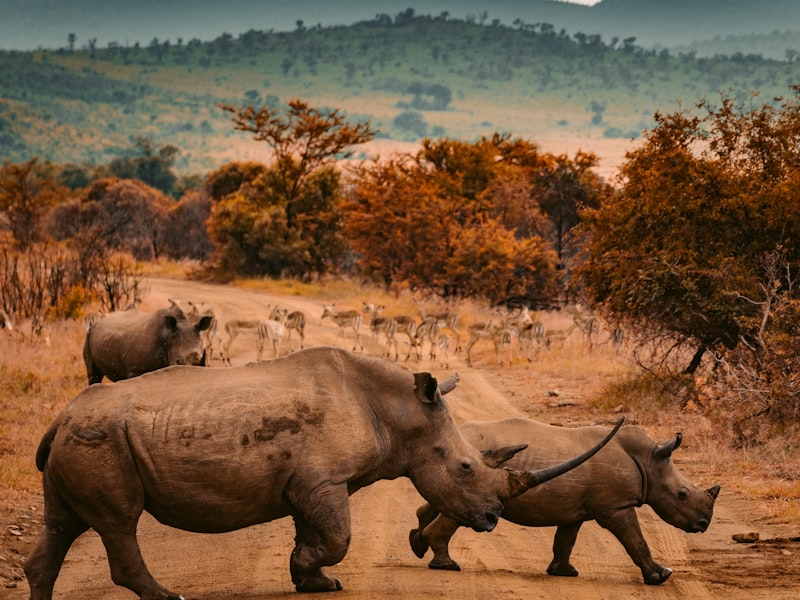
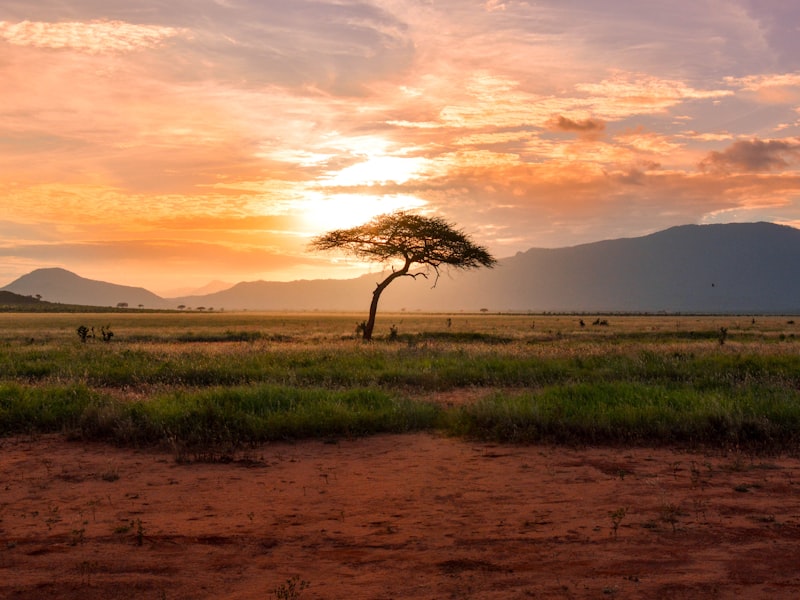
Ernest Hemingway nannte den Lake Manyara einst „den schönsten, den ich in Afrika gesehen habe“, und diese Beschreibung gilt bis heute. Der Park erstreckt sich als schmaler Streifen entlang des Fußes der Rift-Valley-Steilwand, sodass eine einzige Pirschfahrt durch dichten, von Blauaffen und Pavian-Gruppen bevölkerten Grundwasserwald führt, hinaus in offenes Grasland, wo Büffel und Giraffen weiden, und schließlich am Seeufer entlang, wo Flamingoschwärme die Flachwasserzonen rosa färben.

Manyara ist vor allem für seine baumkletternden Löwen bekannt, die sich in Akazien und Wurstbäume hinaufziehen, um der Hitze und den Tsetsefliegen zu entkommen — ein Verhalten, das nur an einer Handvoll Orten weltweit zu beobachten ist. Der See selbst, ein flaches alkalisches Becken, das mit den Jahreszeiten anschwillt und schrumpft, zieht riesige Mengen an Wasservögeln an und ist selbst bei einem kurzen Besuch ein Highlight für Fotografen.

Safari-Highlights

Tree-Climbing Lions

One of only a few populations in Africa known to regularly rest up in acacia and sausage trees.

The Soda Lake

A shallow alkaline lake that can host tens of thousands of flamingos when water levels are right.

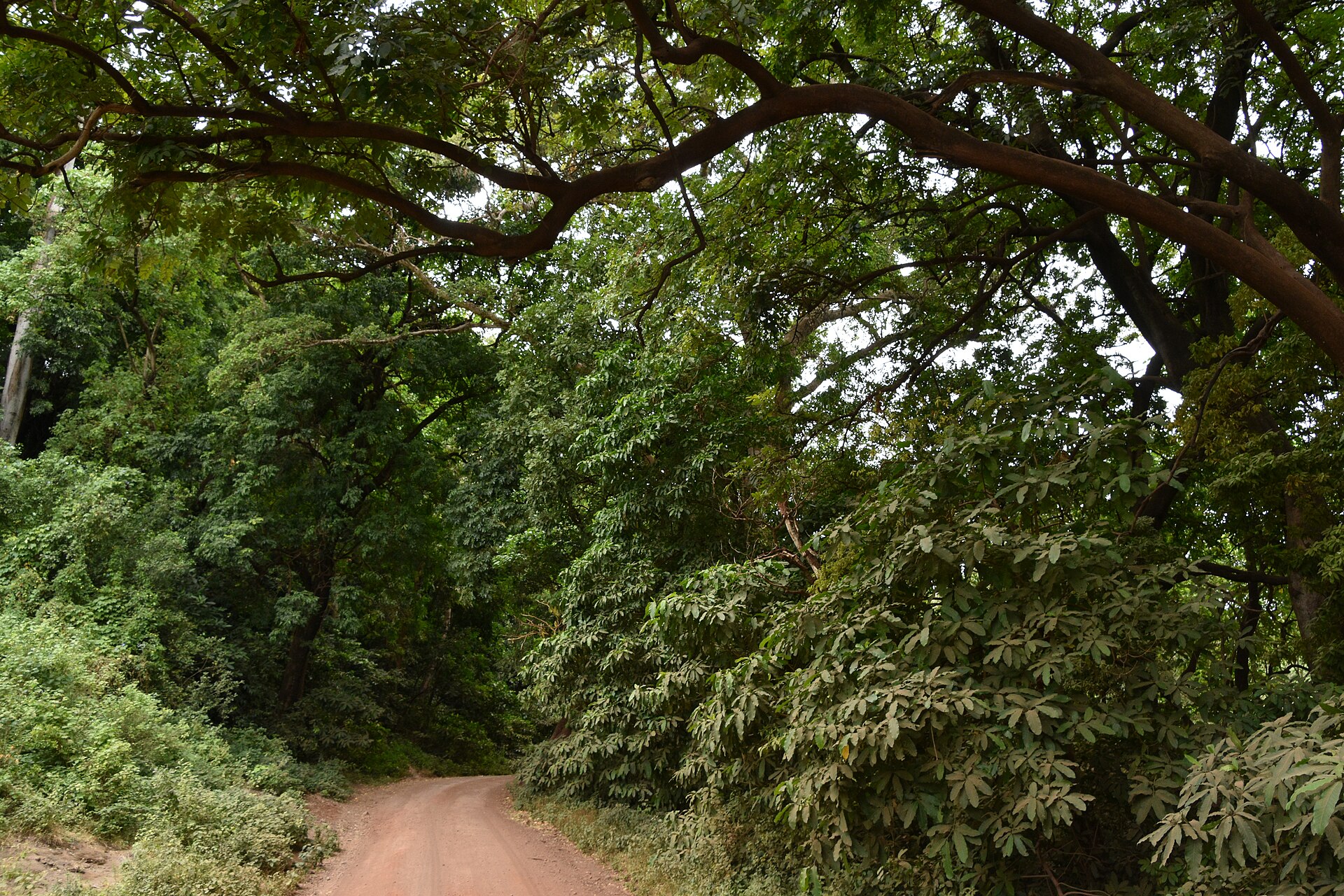
Groundwater Forest

Fed by springs off the Rift wall, home to blue monkeys, olive baboon and hornbills.

Rift Valley Views

The escarpment rises sharply behind the park, giving dramatic backdrops to every drive.

Elephant & Buffalo

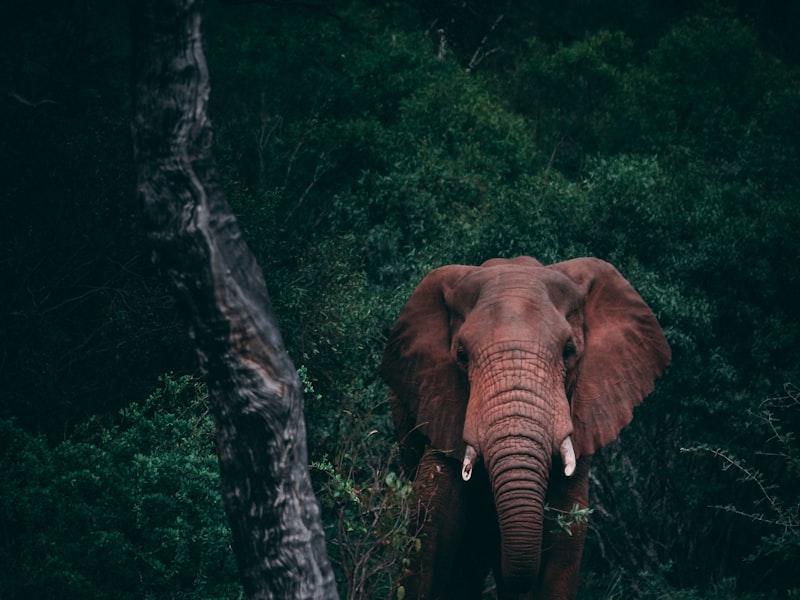
Large herds move between forest and lakeshore, often at close range along the main circuit.

Hot Springs Nearby

The Maji Moto hot springs sit at the park's southern end, an optional stop on longer drives.

Tiere, die Sie sehen können

  • Lion
  • Elephant
  • Buffalo
  • Giraffe
  • Hippo
  • Blue Monkey
  • Olive Baboon
  • Flamingo
  • Pelican
  • Zebra
  • Impala
  • Warthog

Beste Reisezeit

Jan
Feb
Mar
Apr
May
Jun
Jul
Aug
Sep
Oct
Nov
Dec
  • Hochsaison
  • Gut
  • Mäßig
  • Niedrig

The dry months of June to October give the clearest game viewing, while January and February often bring the biggest flamingo flocks to the lake. April and May are quiet and green, with some forest trails muddy after rain.

So Finden Sie Uns

FAQs

Will I definitely see the tree-climbing lions?

They are not guaranteed on every visit ? this is genuine wildlife, not a show ? but Manyara remains one of the most reliable places in Africa to have a real chance at them, especially with an experienced guide who knows the current pride territories.

How long should I spend at Lake Manyara?

Most visitors do it as a half-day or full-day game drive, often on the way to or from Ngorongoro and the Serengeti. It rewards a full day if bird photography is a priority.

Is Manyara good for birdwatching?

Excellent ? over 400 species have been recorded, from flamingo and pelican on the lake to hornbills and turacos in the forest, making it one of the richest birding parks on the northern circuit.

Can I combine Manyara with a canoe or boat trip?

Yes, seasonal canoe safaris run on the lake's edge outside the park boundary when water levels allow, and are a popular, low-impact way to see hippos and waterbirds from the water.

Safaris in diesem Reiseziel

Planen Sie Ihre Reise

Nennen Sie uns die Termine und wer mitreist — wir stellen Ihnen eine passende Reiseroute zusammen.