Serengeti National Park

Region

Northern Tanzania

Area

14,763 km²

Best Time

Jun–Oct (dry) & Jan–Mar (calving)

Altitude

920 – 1,850 m

The Serengeti takes its name from the Maasai word siringet — the place where the land runs on forever. Across 14,763 square kilometres of plain, woodland and granite kopje, it holds the densest population of large predators in Africa and the greatest animal migration on earth.

Endless golden plains hosting the greatest wildlife spectacle on Earth — the Great Migration. Lions, cheetahs, elephants and over two million grazing animals roam this UNESCO World Heritage Site.

Safari Highlights

The Great Migration

1.5 million wildebeest and 250,000 zebra on an 800 km circuit, followed year-round by predators.

The Big Five

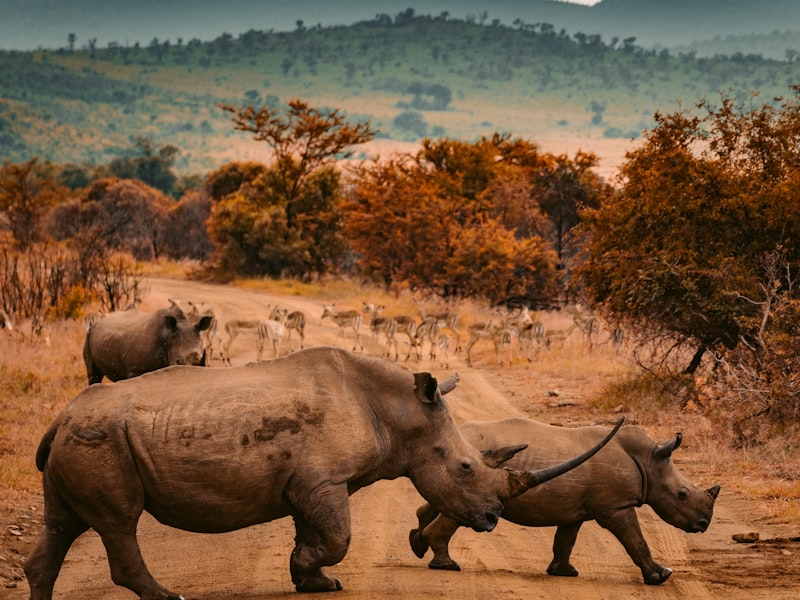
Lion, leopard, elephant, buffalo — and black rhino in the Moru Kopjes.

Photography

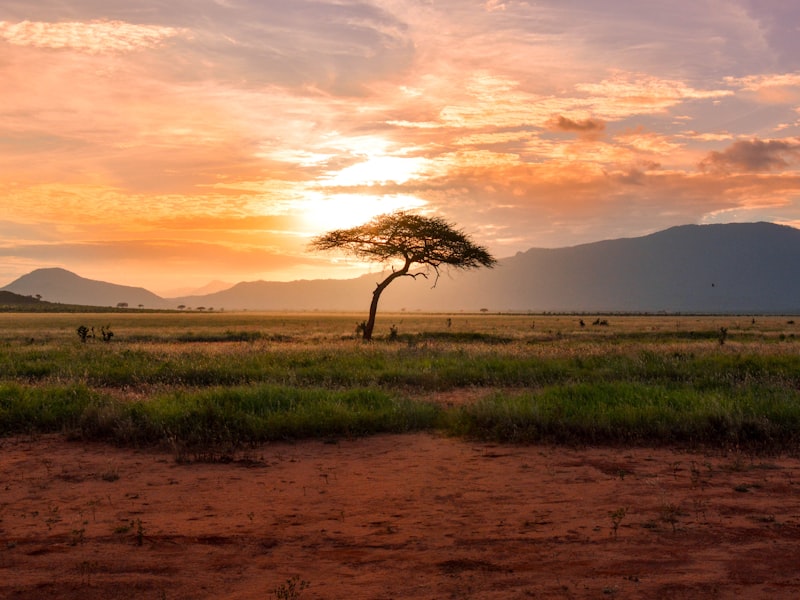
Low golden light, open horizons and wildlife density that puts subjects in frame all day.

Balloon Safaris

A sunrise drift over the plains, ending with a champagne bush breakfast.

River Crossings

The Mara and Grumeti crossings, July to October — the most dramatic hour in African wildlife.

Mobile Camps

Tented camps that move with the herds, so the migration is on your doorstep.

Animals you may see

  • Lion
  • Leopard
  • Cheetah
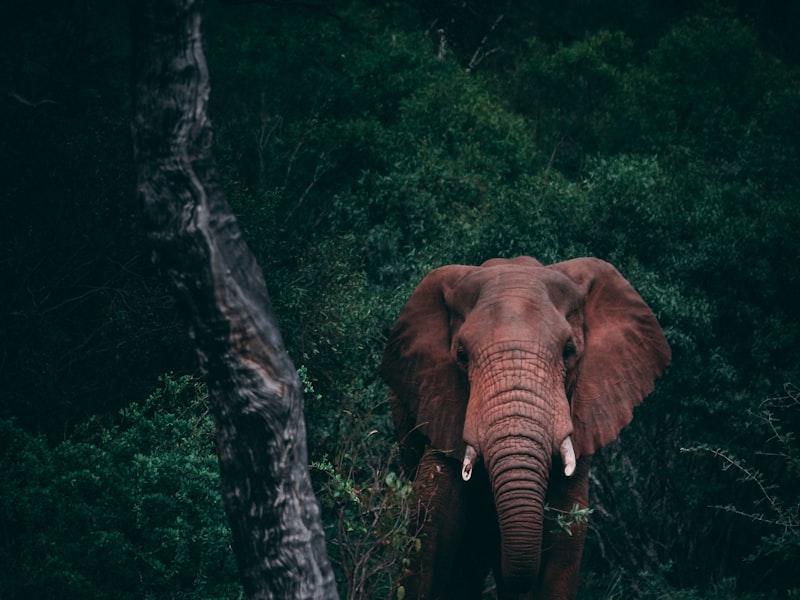
  • Elephant
  • Buffalo
  • Black Rhino
  • Wildebeest
  • Zebra
  • Giraffe
  • Hippo
  • Crocodile
  • Wild Dog
  • Spotted Hyena
  • Topi
  • Eland

When to visit

Jan
Feb
Mar
Apr
May
Jun
Jul
Aug
Sep
Oct
Nov
Dec
  • Peak
  • Good
  • Fair
  • Low

June to October is the dry season — animals concentrate at permanent water and the Mara River crossings happen in the north. January to March is calving season in the southern plains, when thousands of wildebeest are born each day and the predator action is at its most intense. April and May bring the long rains: green, quiet and cheaper.

Find Us

FAQs

When is the best time to see the Great Migration?

The herds move all year. Mara River crossings run July to October in the northern Serengeti. Calving season is late January to March in the southern plains — thousands born daily, and the best predator viewing of the year.

How many days do I need in the Serengeti?

Three nights is the practical minimum — that gives you six game drives across different habitats. Five to seven nights lets you follow the herds properly and cover the north as well as the south.

Will I definitely see lions?

The Serengeti holds over 3,000 lions and sightings are close to guaranteed on a multi-day visit. Leopard and cheetah are common but less predictable; black rhino requires luck and the Moru Kopjes area.

Is the Serengeti open all year?

Yes. April and May are the long rains — fewer visitors, lower rates, lush green landscapes, and some northern roads get difficult. Our guides plan around the conditions rather than avoiding the season.

Tours in this destination

Plan your trip

Tell us the dates and who is travelling — we will put an itinerary together for you.